
Your First 100 Days in a Catholic School: tips and resources
You’ve just started your first job in a Catholic school, as a teacher, a teaching assistant, member of the site team, or any of the roles which contribute to the running of the school. How are you feeling? Perhaps a bit anxious, maybe with some questions that you don’t feel confident to ask.
I’ve never been in this position myself. I am a cradle Catholic, very familiar with the Catholic Church and its culture, which doesn’t mean by the way that I don’t have anxieties or questions either! It does mean that I know my way around Catholic language and liturgy and feel very much at home with this.
When I was appointed to my first headship in a Catholic school in 2002, I became quickly aware of the staff who were not Catholic and less comfortable with the ways and wisdom of the Catholic Church. I started to work on more informative induction programmes, for all staff, but especially those who were not Catholic.
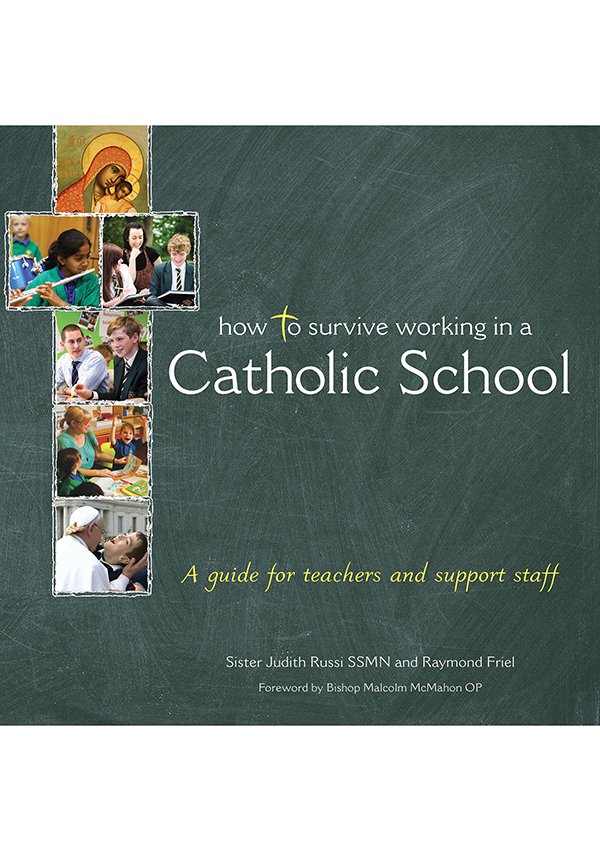
Then, in 2012, still a Catholic headteacher, I was invited by Sr Judith Russi to co-author a book for all those who were less confident about being in a Catholic school. The title ended up as, How to Survive Working in a Catholic School: a guide for teachers and support staff, published by Redemptorist Publications: https://www.rpbooks.co.uk/how-to-survive-working-in-a-catholic-school-1-1. It’s still in print and has proved popular in schools and multi academy trusts as a helpful guide to the Church.
Some of the features of the book we enjoyed working on include the Glossary of Catholic Terms. If you’ve ever quietly wondered about the meaning of absolution, beatification, Blessed Sacrament, diocese, encyclical, genuflection, holy water, lectionary, Mother of God, pilgrimage, sacred heart, saints, or the Vatican, then help is at hand!
There’s also a handy guide to the liturgical year, which is so integral to the life of a Catholic school, as well as extracts from the Church’s teaching on education, some frequently asked questions and myth-busting. I hope you still find the book a helpful resource.
By way of a summary, here are my top ten tips for those just beginning their first job in a Catholic school, especially those who are less familiar with the Catholic Church.
1. You belong here. They want you here. You did not appoint yourself. Remember that. There was an advert, an application, interview process and appointment. You’re not an imposter, you’re part of the team.
2. What can go wrong? We all have a tendency to catastrophise and look for the worst case scenario. What is my life-style, or life choices are not quite in line with the teaching of the Church? Well, the Catholic Education Service (England and Wales) model contract (for teachers) says you are: expected to be conscientious and loyal to the aims and objectives of the School; required to preserve and develop the Catholic character of the School; to have regard to the Catholic character of the School and not to do anything in any way detrimental or prejudicial to the interests of the same. Keep that in mind and you’ll be fine. To see more model contracts visit: https://www.catholiceducation.org.uk/resources/issuing-employment-contracts)
3. The mission of the Church. Your Catholic school is part of a global family called the Catholic Church and is part of the mission of that Church to proclaim the Gospel of Jesus Christ and build up the Kingdom of God. Your own role in the school might seem distant from that at times, but fundamentally that is what the school is about and that may help to explain some of the priorities and decisions in the life of the school.

4. Get into Catholic Social Teaching. In recent years, the new Catholic Schools Inspectorate in England and Wales (Catholic schools have two inspections: Ofsted, and a Catholic inspection) has put Catholic Social Teaching at the forefront of the life and mission of the Catholic school in England and Wales. This is a very accessible way into the teaching of the Church. Key principles like the dignity of the person and the common good resonate deeply in human hearts. You don’t need a degree in theology to access this teaching, but some guidance might help. I’ve a written a book designed as an introduction to Catholic Social Teaching, also available from Redemptorist Publications.
5. Is the curriculum different? The Catholic school may have a different mission, but when it comes to what happens in the classroom, it will be the same as the school down the road, right? Well, not quite. Part of the criteria to be Outstanding is that “The whole of the taught curriculum, with religious education at its core, is a coherent and compelling expression of the Catholic understanding of reality.” So it’s the National Curriculum, like the school down the road, but in conversation with a Catholic worldview. You’ll find more about this in the book.
6. Contribute to mission. You’ve been appointed not just because of your skills and experience, but because of your willingness to contribute to and support the Catholic mission of the school. Be proactive in finding ways you can contribute, it will help you feel at home. It could be offering to help with a year group retreat, or social justice campaign, or helping to prepare for Mass in school.
7. Ask questions. That might be easier said than done, especially if your question feels controversial. I’m not suggesting your hand goes up at the first staff meeting and you launch into a list of big thorny questions. You’ll find your way around the staff and soon know who you might be able to go to with those questions. But do ask them, don’t let them niggle away at you.
8. Dealing with tricky questions from the pupils. We all know that children and young people have lively and enquiring minds and love to ask questions. When it comes to the Catholic Church, some of those questions might feel tricky. The Church’s teaching on Catholic education encourages questions and critical thinking, it’s part of developing our God-given intelligence and our instinct for justice. When questions come your way remember you’re not an expert on all matters to do with the Church, so don’t feel you have to answer everything. If the question is about what you believe, say about a complex moral matter, then you don’t have to share your personal views if you don’t want to.
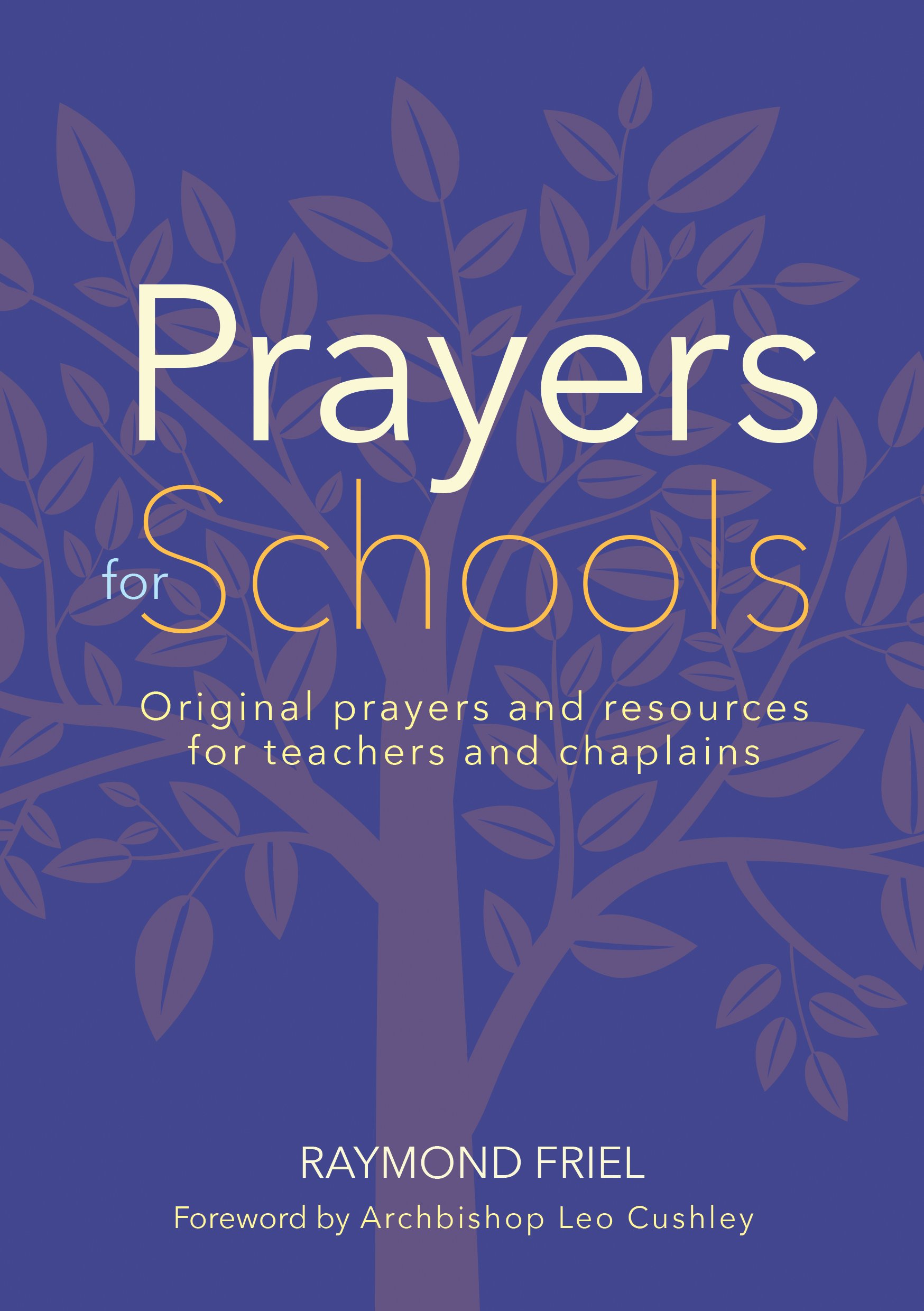
9. Leading prayer. If you are a from tutor, or a teacher in a primary school, you are likely to be leading the pupils in prayer. I know that for some colleagues this can be a real source of anxiety. Again, you’ll find help is at hand. Most schools have good resources on hand and the more time you take to prepare these resources – and better still involve the pupils in leading the prayers – the more comfortable you’ll feel. Here’s my final book plug: Prayers for Schools, also from Redemptorist Publications. It’s original prayers for all sorts of occasions and times of the year. Ask the person in charge of CPD if they can stretch to a copy of this as well!
10. Nobody is worthy. Last, but by no means least, don’t let any thoughts about how unworthy you are get a grip. These thoughts are a close relation of the imposter syndrome, and both should end up in the bin. We are all sinners, doing our best to grow in God’s love, by his grace. That is why humility is a virtue much cherished in the Catholic tradition.
Enjoy your Catholic school. I hope the journey for you is a blessing and an experience of growing in a warm and welcoming community. If you do have any questions that you might not be ready to ask in school, by all means contact me through my website: https://www.raymondfriel.com/contact
Further reading. There will be no shortage of reading material provided for you in your induction: the school or CMAT’s vision, values and mission documentation, the Bishop’s vision for Catholic education in the diocese. It’s important to read all of these carefully. In addition, if there was one document from the Vatican I’d recommend, it’s Pope Leo XIV’s recent letter on Catholic education, Drawing New Maps of Hope, which you can find here: https://www.vatican.va/content/leo-xiv/en/apost_letters/documents/20251027-disegnare-nuove-mappe.html